Treatments & services
Non-surgical cancer treatments explained
Dr Omar Din treats prostate, bladder and renal (kidney) cancer using complementary, non-surgical approaches - radiotherapy, systemic anti-cancer therapy (SACT) and targeted radionuclide therapy. Each plan is tailored to the individual, so you and your family understand exactly what to expect at every stage.
Radiotherapy
Precise, painless treatment
Radiotherapy uses carefully targeted energy beams to treat cancer. The treatment itself is painless - much like having an X-ray - and each beam is aimed with fine precision to hit the cancer while protecting the healthy tissue around it.
Your treatment is usually given over a series of short appointments and is planned in fine detail beforehand, so every session is accurate and consistent. Dr Din delivers radiotherapy at the GenesisCare centres in Oxford and Nottingham, choosing the technique that best suits your diagnosis.
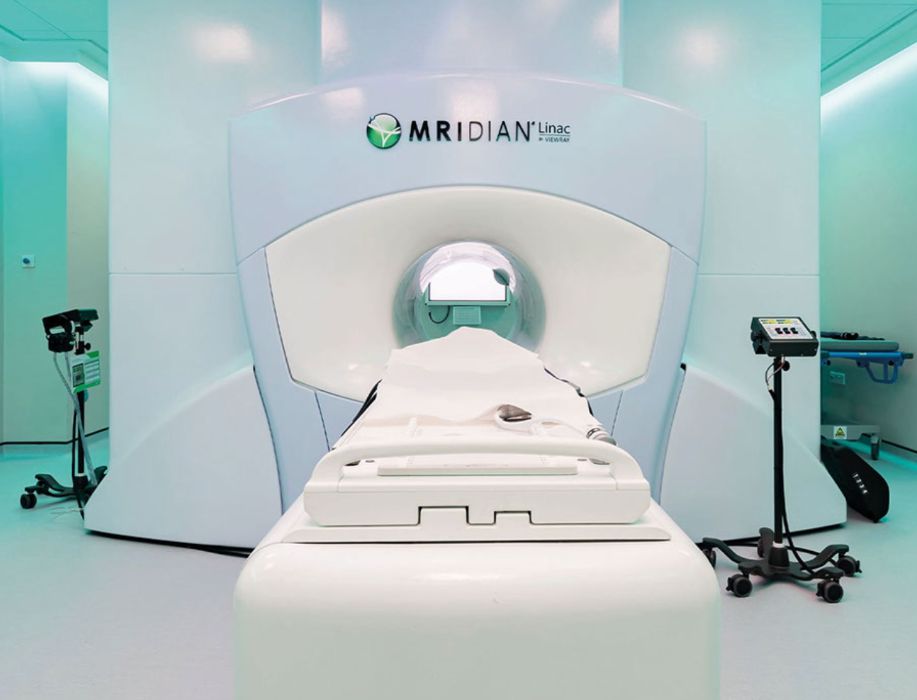
MR-Linac (MRL) SABR
MRI-guided stereotactic radiotherapy that pictures the tumour as it treats. The beam adapts to changes in position during your session, which improves accuracy and further protects the tissue around the cancer.
GenesisCare Oxford
Conventional SABR
High-dose stereotactic radiotherapy delivered in a small number of carefully planned sessions. Fewer visits, each one focused on the target, with consultant supervision of the planning and every fraction.
Oxford & Nottingham
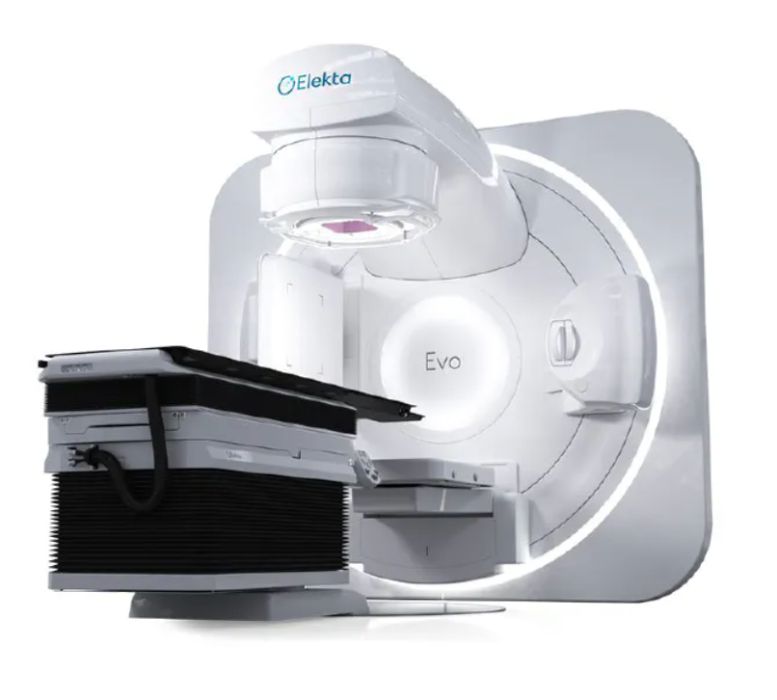
Intermediate & complex IMRT
Intensity-modulated radiotherapy shapes the radiation dose around the tumour, varying its strength across the treatment area. It is planned in intermediate or complex forms depending on your anatomy and diagnosis, protecting the organs nearby.
Oxford & Nottingham
Fractionated radiotherapy & clinical supervision
A planned course of treatments spread across a series of appointments. Dr Din provides consultant oversight throughout - reviewing progress and adjusting your care as needed - across short, medium and extended courses:
Precision radiotherapy
What is SABR radiotherapy?
SABR - stereotactic ablative body radiotherapy - delivers a very high, precisely shaped dose of radiation straight to the tumour from many angles. Because it is so focused, treatment is usually given in just a few sessions rather than several weeks, with very little dose reaching the healthy tissue nearby.
SABR suits carefully selected patients, and Dr Din will advise whether it is right for you.
- Cancer that has spread to only a few spots - oligometastatic disease in the bone, lymph nodes or adrenal glands.
- Prostate and kidney tumours - where a small number of high, focused doses is the right approach.
- People who value a shorter course - often just 1-5 treatments instead of many weeks.
Systemic anti-cancer therapy (SACT)
Medicines that treat the whole body
Systemic anti-cancer therapy (SACT) is the umbrella term for medicines that travel through the whole body, reaching cancer cells wherever they are rather than treating one area alone. Dr Din plans and oversees your SACT through every cycle at Circle Health Thornbury in Sheffield, his main outpatient base, so your care stays closely monitored from start to finish. It falls into three main types.
Chemotherapy
Anti-cancer drugs that destroy or slow the growth of cancer cells, given in carefully planned cycles so your body has time to recover between treatments.
Immunotherapy
Treatments that work with your own immune system to recognise and attack cancer cells, helping your body's natural defences do more of the work.
Targeted therapy
Drugs that home in on specific features of cancer cells, sparing more of the surrounding healthy tissue and matching treatment to the biology of your cancer.
Whichever systemic treatment is right for you, Dr Din provides consultant oversight of every cycle - dose planning and ongoing monitoring of how you respond - so your care stays safe and on track.
Targeted radionuclide therapy
Lutetium-PSMA therapy for advanced prostate cancer
For men with advanced prostate cancer, Dr Din facilitates Lutetium-PSMA radionuclide therapy - a targeted treatment that seeks out prostate cancer cells wherever they are in the body and delivers a small dose of radiation directly to them.
How it works, in plain terms
Many prostate cancer cells carry a marker on their surface called PSMA. The treatment joins a radioactive substance, Lutetium-177, to a molecule that locks onto this marker. Given through a simple injection, it travels through the bloodstream and homes in on the cancer cells, treating them from the inside while largely leaving healthy tissue alone.
It is usually considered when prostate cancer has spread and other treatments are no longer controlling it. Dr Din will explain whether it may be suitable for you, what the treatment involves and what to expect afterwards.
Where it's delivered
Lutetium-PSMA therapy is delivered in a specialist setting with the right facilities and safety measures. Dr Din facilitates this treatment at GenesisCare Guildford, coordinating your care alongside your other treatment at his Sheffield, Oxford and Nottingham locations.
GenesisCare Guildford
Secondary (metastatic) cancer
Treating cancer that has spread
Alongside prostate, bladder and renal (kidney) cancer, Dr Din also treats secondary (metastatic) tumours - cancer that has spread from where it began to other parts of the body, most commonly the bone, lymph nodes and adrenal glands. He uses targeted radiotherapy, such as SABR and IMRT, together with systemic anti-cancer therapy (SACT) to control disease and ease symptoms, with a plan shaped around your diagnosis and how you are feeling.
Bone
Targeted radiotherapy and SACT to control disease in the bone and relieve pain, helping you stay as comfortable and mobile as possible.
Lymph nodes
Precise radiotherapy and systemic treatment directed at affected lymph nodes to slow spread and keep disease in check.
Adrenal glands
SABR and IMRT to treat adrenal deposits accurately, combined with SACT where appropriate to manage disease across the body.
Where treatment is delivered
Your treatment, close to home
Dr Din treats patients across three main sites. Systemic anti-cancer therapy and consultations are based at Circle Health Thornbury in Sheffield, while radiotherapy is delivered at the GenesisCare centres in Oxford and Nottingham. The right location for you depends on the treatment you need - his team will help coordinate everything.
Sheffield
Circle Health Thornbury · 312 Fulwood Road, S10 3BR
Dr Din's main outpatient base for consultations and systemic anti-cancer therapy, with care monitored closely through every cycle.
Oxford
GenesisCare · Sandy Lane West, Peters Way, OX4 6LB
The centre for MRI-guided radiotherapy, including MR-Linac SABR, as well as conventional SABR and IMRT.
Nottingham
GenesisCare · The Park Centre for Oncology, NG5 8RX
Radiotherapy delivered with consultant supervision of the planning and every fraction of your treatment course.
Lutetium-PSMA radionuclide therapy is facilitated at GenesisCare Guildford, coordinated alongside your care at these locations.
Consultations
Time to talk it through
Every treatment begins with a conversation. Dr Din takes the time to explain your diagnosis and options clearly, so you and your family can make decisions together and feel supported throughout.
Initial consultation
A first appointment to review your diagnosis, understand your history and discuss the treatment options open to you. There is space for your questions - and for family to be part of the conversation.
Follow-up consultation
Ongoing review and monitoring during and after treatment. These appointments track your progress, manage any side effects and keep your care plan responsive to how you are doing.
Common questions
Referrals, insurance & your first visit
A few things patients often ask before getting in touch. If your question isn't answered here, please call the practice on 0114 267 4725 or send an enquiry - Dr Din's team will be glad to help.
Do I need a referral to see Dr Din?
Do you see privately insured and self-funding patients?
What happens at a first consultation?
Where will I be seen and treated?
Not sure which treatment is right?
Call the practice on 0114 267 4725 to discuss your diagnosis and treatment options with Dr Din's team. We'll help you understand what's involved and the next steps for you and your family.